

Communication has evolved rapidly with the digital age, and nowhere is this more apparent than in our use of emojis. What started as a simple smiley face has burgeoned into an expansive array of icons that convey emotion, intent, and even complex reactions with simplicity and flair.
The Rise of Emojis
Emojis have become a universal language, breaking down language barriers across digital conversations worldwide. They add nuance to texts and social media posts, where tone is often lost in plain text. But with thousands of emojis at our fingertips, the question arises: are we relying too much on these colorful characters?
The rise of emojis can be traced back to the early days of digital communication when simple emoticons like 🙂 and 🙁 were used to convey basic emotions. As technology advanced, so did our ability to express ourselves visually. Today, there are thousands of emojis available, ranging from facial expressions and hand gestures to animals, food, and even entire scenes. This vast array of options allows us to add depth and personality to our messages, making digital communication more engaging and expressive.
Emojis for Clarity and Confusion
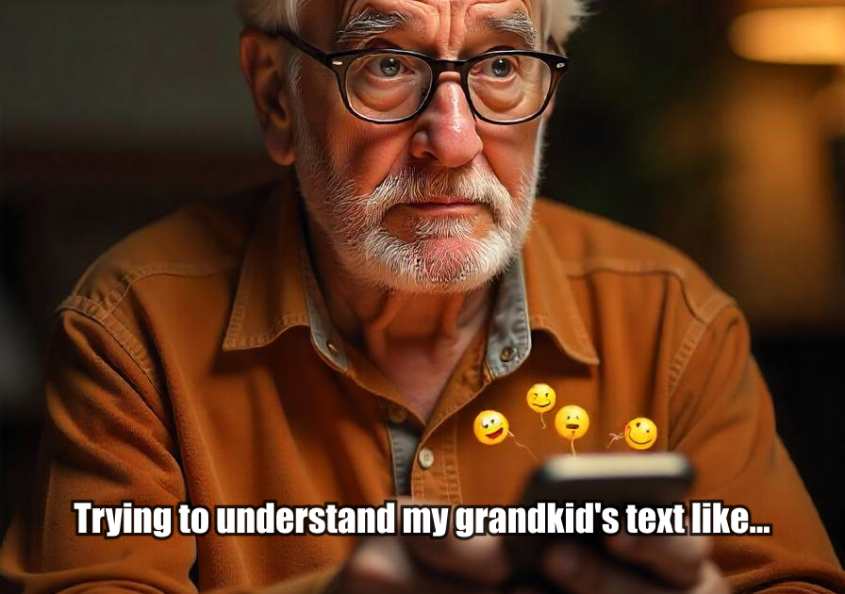
Used wisely, emojis can clarify the tone or emotional intent behind our messages. For example, a simple smiley face can turn a potentially ambiguous statement into a friendly one, while a thumbs-up emoji can convey approval or agreement without the need for words. However, overuse or misuse can lead to confusion and misinterpretation, especially across different cultures where symbols can have varied meanings.
For instance, the thumbs-up emoji is generally seen as a positive gesture in many Western cultures, but in some Middle Eastern countries, it can be considered offensive. Similarly, the folded hands emoji is often used to represent prayer or gratitude in Western cultures, but in Japan, it is commonly understood as a gesture of apology. These cultural differences highlight the importance of being mindful of our emoji usage and considering the potential for misinterpretation.
Best Practices
To make the most of emojis without falling into the trap of overuse, consider these best practices:
- Use Sparingly: Like spice in cooking, emojis are best used in moderation to enhance, not overpower, your communication. A well-placed emoji can add a touch of personality to your message, but too many can make it difficult to read and understand.
- Know Your Audience: Tailor your emoji use to the person and the context. What works in a casual chat with friends may not be suitable in a professional setting. For example, while it might be appropriate to use a heart emoji in a message to a close friend, it may not be suitable in a work email to a colleague or client.
Conclusion
Emojis are here to stay and will continue to be an integral part of our digital lexicon. As we evolve with technology, so too will our methods of communication, potentially making emojis as commonplace as words themselves. By using emojis thoughtfully and considering their potential impact, we can enhance our digital interactions and ensure that our messages are clear, engaging, and culturally sensitive. Embrace the emoji revolution but remember to use these colorful characters wisely to avoid confusion and miscommunication.