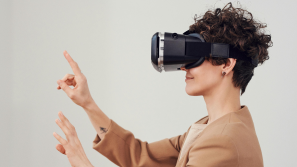

Virtual Reality (VR) is changing the way we explore the world, allowing us to teleport from the sandy beaches of Thailand to the summit of Everest in a heartbeat. But can VR really replace the experience of travel? Let’s dive into the sensory spectacle and practicality of virtual globetrotting.
The Allure of VR Travel
VR offers an affordable, instant alternative to traditional travel. You can traverse the globe without the hassle of airports and jet lag. It’s particularly appealing for those who face physical or financial barriers to travel. Imagine being able to visit the Great Wall of China or the pyramids of Egypt without spending a fortune or enduring long flights. Plus, in an era of climate awareness, VR provides an eco-friendly way to experience distant lands without the carbon footprint. This makes it an attractive option for environmentally conscious travelers who want to reduce their impact on the planet.
The Sensory Gap
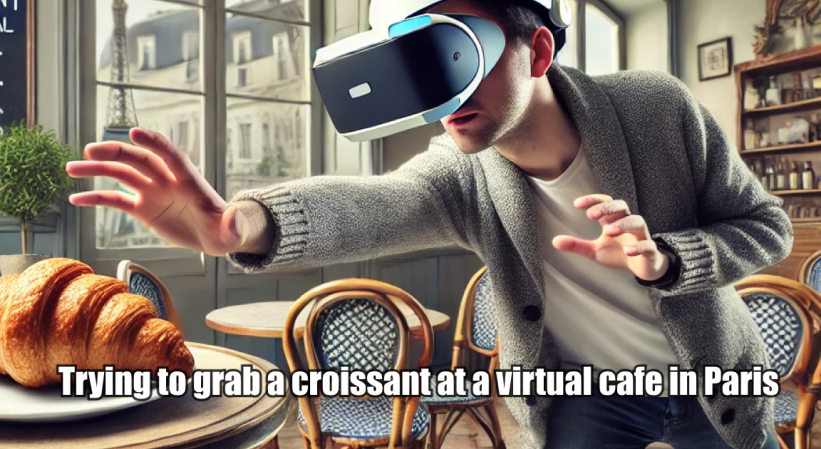
While VR can replicate sights and sounds, it falls short in delivering the full sensory menu. The tang of street food, the smell of rainforests, or the touch of ancient ruins are beyond its reach. These experiences form the essence of travel, creating memories that are as much about atmosphere as they are about visuals. For instance, the feeling of sand between your toes on a beach or the aroma of freshly baked bread in a Parisian bakery are sensations that VR cannot yet replicate. This sensory gap is a significant limitation, as it means that VR travel cannot fully immerse you in the environment in the same way that physical travel can.
The Social Aspect
Travel isn’t just about places; it’s about people. The friendships and interactions on the road often define our travel experiences. Meeting new people, sharing stories, and experiencing different cultures firsthand are integral parts of the travel experience. VR’s current technology doesn’t allow for the spontaneous, deep connections made through shared real-world experiences. While you can interact with others in a virtual environment, these interactions lack the authenticity and emotional depth of face-to-face encounters. The serendipity of meeting a fellow traveler at a local café or striking up a conversation with a local guide is something that VR cannot replicate.
Conclusion
While VR travel can enhance how we learn about and “experience” new places, it won’t replace the thrill of actual travel. For now, VR is a supplement, not a substitute, offering a glimpse of what’s possible without ever leaving our homes. It can be a valuable tool for education, allowing people to explore historical sites or natural wonders that they might not otherwise have the opportunity to visit. However, the sensory and social aspects of travel are irreplaceable. The joy of discovering new places, the excitement of new experiences, and the connections made along the way are what make travel truly special. So, while VR can provide a taste of the world, it cannot fully capture the essence of travel. Embrace VR as a way to enhance your understanding of the world, but don’t let it replace the real-life adventures that await you.